



ABOUT THE ARTIST
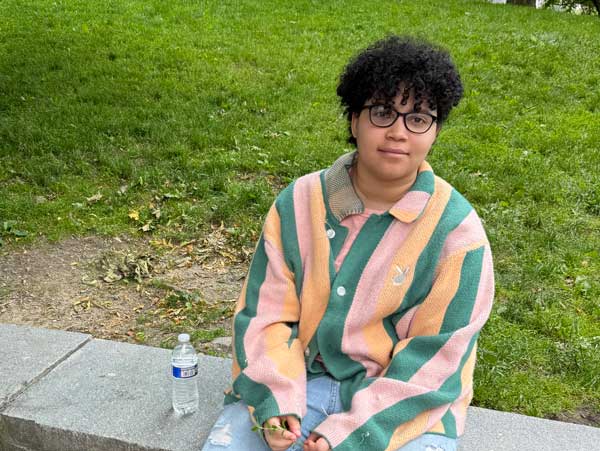
Emily Manwaring
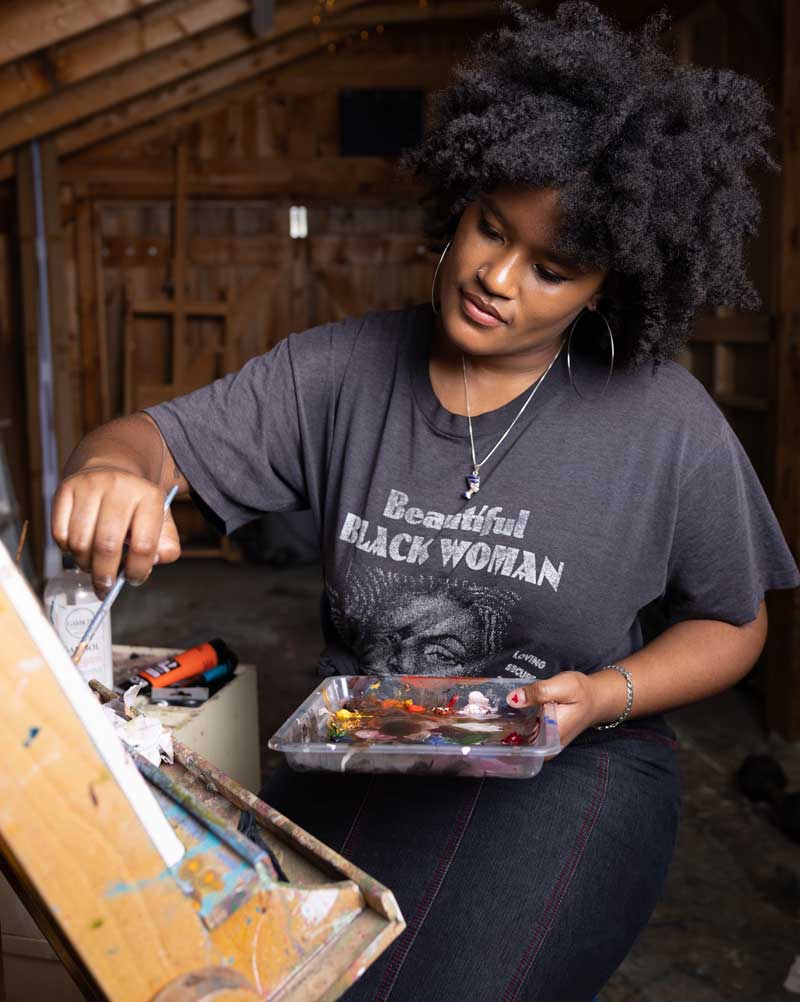
Emily Manwaring. Photo: Josh Shaw
“I work very freely, thinking about what would be healing for people to see and feel,” says our cover artist Emily Manwaring, 26. “I hope my work brings warmth—the feelings I feel when I’m doing my work.”The vibrant colors that characterize Emily’s paintings stem directly from the color palette of the Black diaspora, she says, particularly of Haiti and Trinidad where her parents were born. “The beach, the sand. You feel the wind swaying on you when you look.”
Of 59 neighborhoods in New York City, Henry Street’s community is #1 in income disparity. This is reflected in the wide income differences among three census tracts—two of them merely a half-mile apart and all of them under a mile from Henry Street service sites. For low-income people, rents are untenable, affordable stores have closed, and a sense of community has been diminished.
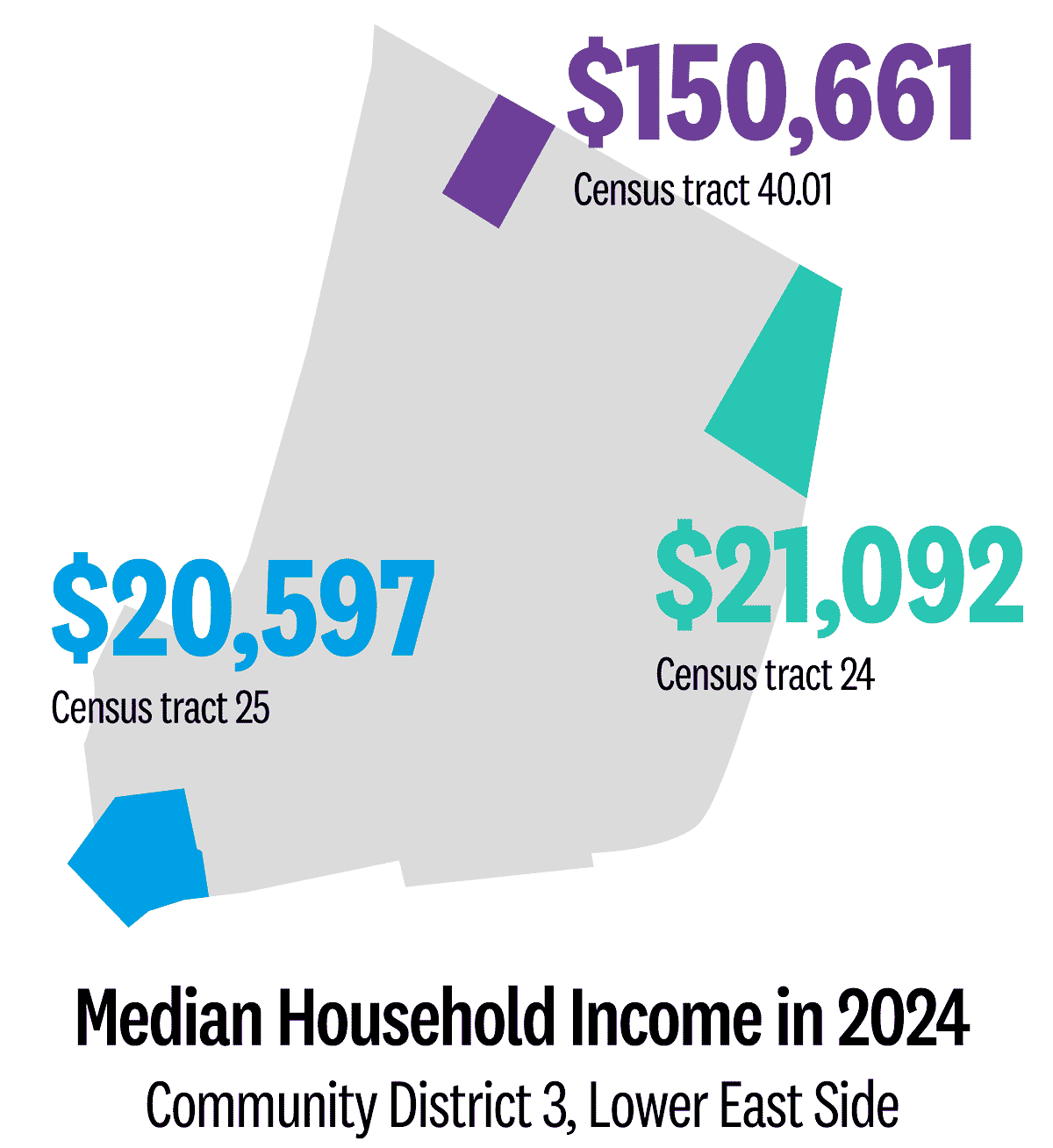

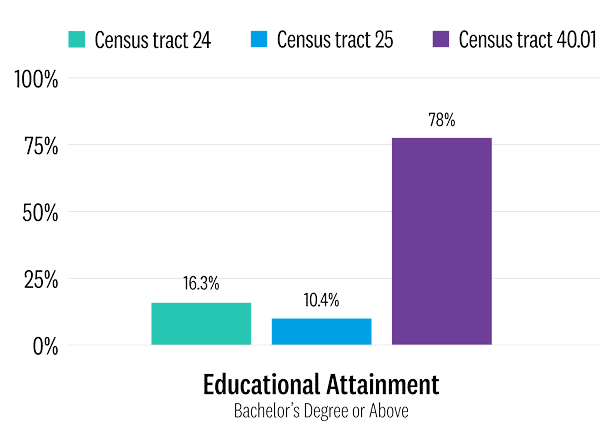
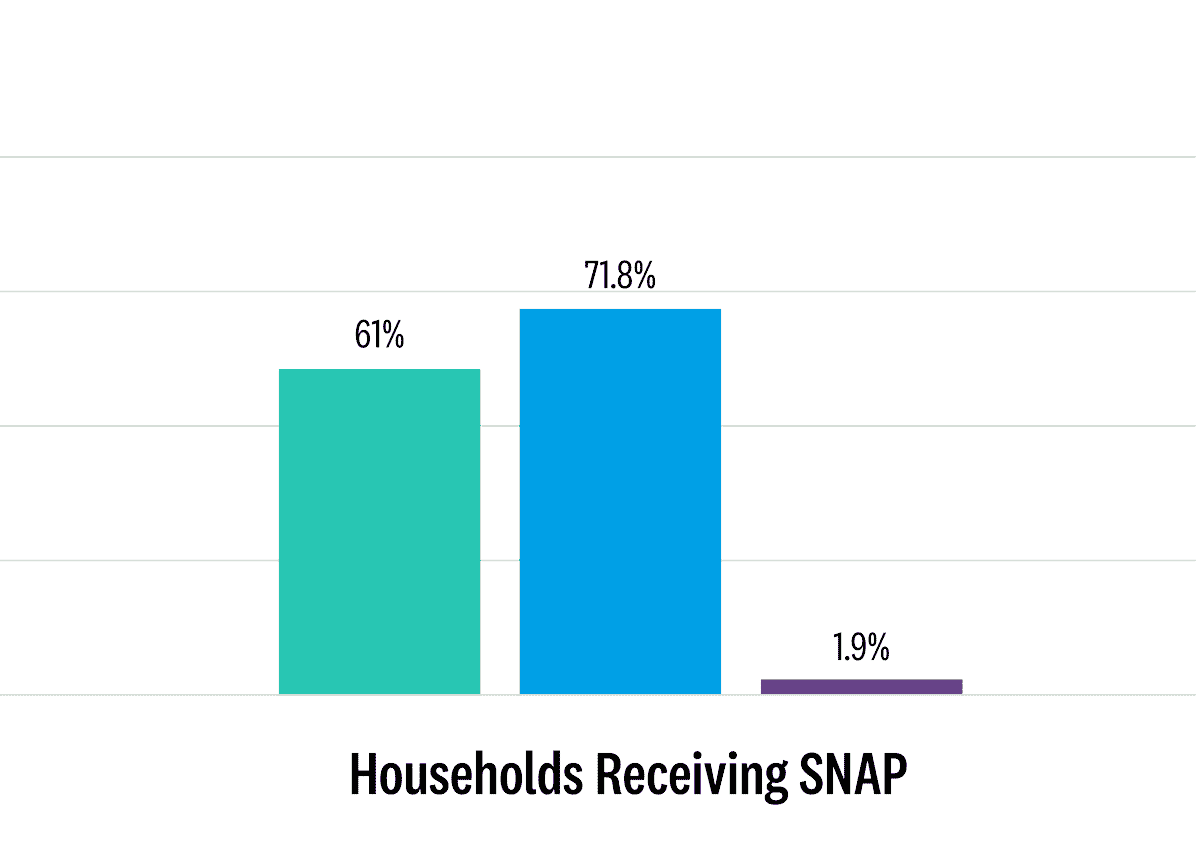
For over 133 years, Henry Street Settlement has been deeply rooted in this community, operating nearly 60 programs that serve 50,000 neighbors annually. Here are some highlights of our profound, and lifechanging impact on our neighbors in 2025:
Provided
4,108
youth with academic, arts, and recreational services through afterschool, camp, community schools, and other programs
95%
college retention rate of 112 first-years, sophomores, and juniors in our Expanded Horizons college access and success program
70%+
arts education students who attended Abrons Arts Center for free or at discounted tuition
Served
823,068
nutritious meals to older adults and children through Meals on Wheels, Older Adult Center, and afterschool programs
Placed
522
jobseekers into employment, with an average wage of $23/hour—nearly 150% of NYC’s minimum wage
Distributed
$240K+
in emergency aid to community members, including new migrants/asylum seekers
Connected
5,015
low-income households to benefits or legal support
2025: We danced. We deepened connections. We opened doors.
As we go to press, our community on the Lower East Side is experiencing a degree of precarity that many of us hoped could have been averted. For our neighbors, national policies hit local as immigration enforcement and looming cuts to benefits like SNAP (food stamps) and Medicaid pose visceral threats. For the third year in a row, poverty in our city has risen, and rents continue to increase, while at the same time 55% of people in New York City make less than $25 per hour. It’s hard not to feel unstable when our community members don’t know how they will put food on the table.
Henry Street is not waiting to act. In times like these, it’s our responsibility to double down on our core work. In 2025, our team helped our neighbors understand and prepare for SNAP cuts, avoid eviction, graduate from high school and college, achieve mental stability, find living-wage-paying jobs, and express themselves through visual and performing arts.
Part of Henry Street’s uniqueness is that, while we have grown over the past 20 years, we’ve remained—intentionally, strategically, and exclusively—on the Lower East Side. Our investment in this community is deep; and with this focus comes immense opportunity to serve individuals and families intensively over time.
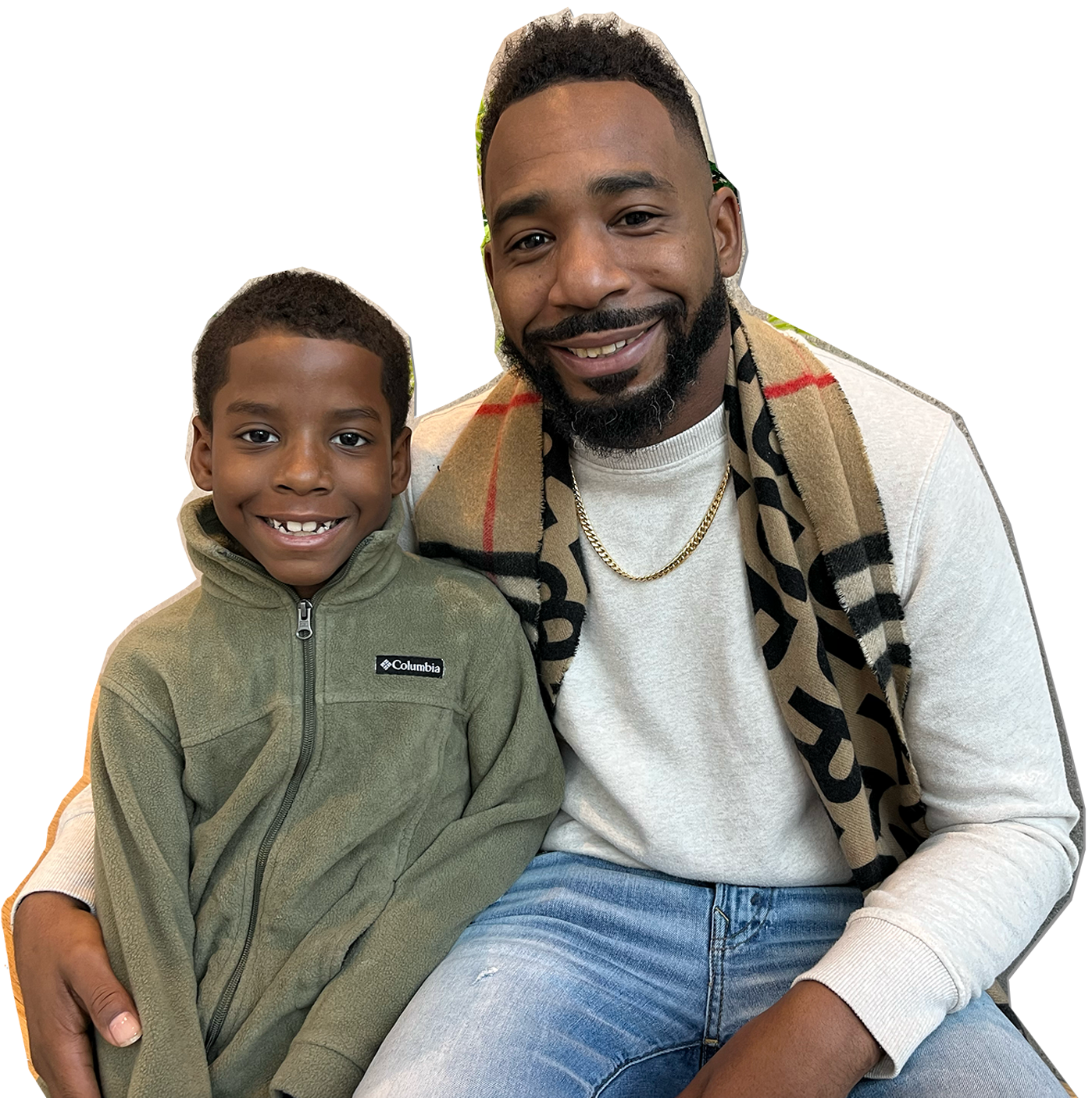
Several of the stories in this report underscore these long-term effects, like that of Antoine Hunter, who, 20 years after making a transformative connection with a Henry Street mentor, is a thriving soon-to-be nurse practitioner. Still other stories illustrate the immense breadth and power of our programs in helping participants move into more positive phases in life, whether breaking isolation, overcoming addiction, or finding a job after a long, unwanted disruption.
Henry Street’s resiliency is directly tied to your consistent support. In the face of alarming headlines around us, our axiom—“Listen. Reflect. Act”—isn’t clickbait. It’s our strategy on the ground, ensuring we are here now and in the future to keep our doors open for long-term impact. Thanks to you, Henry Street delivers hope every day, and we are not stopping now.
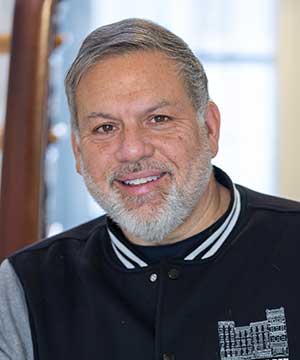
David Garza
President & CEO
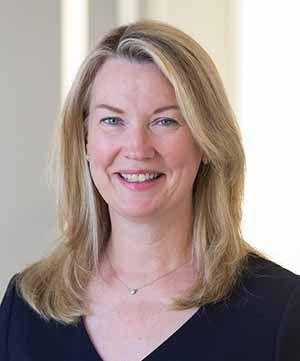
Catherine Curley Lee
Co-Chair
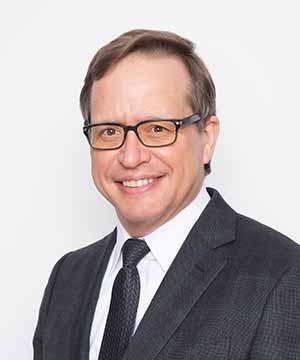
Ed Pallesen
Co-Chair
2025
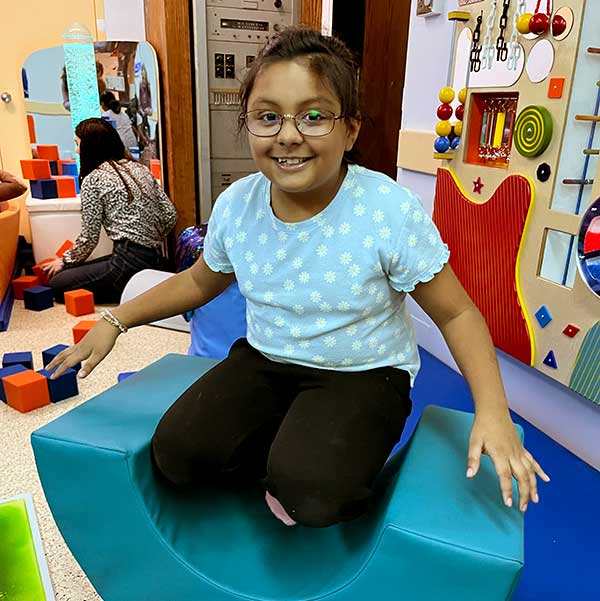
The sensory room at Boys & Girls Republic allows educators to meet a diverse range of children's developmental needs.
In May 2025 and February 2026, Henry Street opened two indoor play space/sensory rooms, in our Early Childhood Education program at 301 Henry Street and at our Boys & Girls Republic (BGR) afterschool program at 888 East Sixth Street. Indoor play spaces support children’s overall health and self-regulation, and a sensory room goes further to support children’s neurological development, allowing educators to meet diverse sensory needs. The first room was funded and installed by the CD&R Foundation with additional support from Macy’s. The room at BGR was designed and built by Cobblestone, an organization whose program facilitators also work with individual children to foster inclusive programming.
In 2025, Expanded Horizons, Henry Street’s college access and success program, opened its doors to a small cohort of new students who had not followed a traditional college trajectory. One such student was Rida, an immigrant from Pakistan who did not go to college immediately after high school. A former participant in the Settlement's Youth Opportunity Hub, she reached out to Henry Street because she was facing serious obstacles to remaining enrolled in Boston University. Expanded Horizons helped her reapply for her scholarship, find housing when she lost her residence, and finance Halal meals, which she could not find affordably on campus.
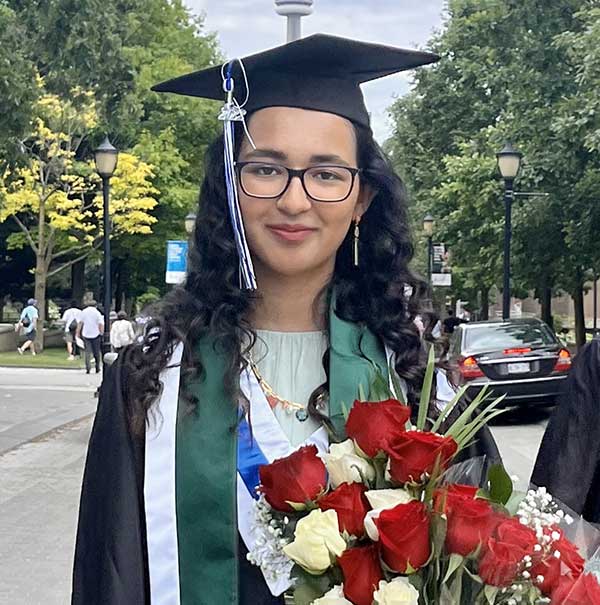
Rida, one of the first non-traditional students to join Expanded Horizons, graduated from Boston University.
The government shutdown of October and November 2025 left many SNAP (food stamp) recipients uncertain of how they would feed their families in the event of disruptions. Henry Street assessed community needs, designated point people to identify community members who were particularly vulnerable to a nutritional emergency, and began a fundraising campaign. With generously donated funds, the Settlement purchased food cards from local grocery stores—which also stood to suffer during the shutdown, provided food to pantries and individuals, and trained SNAP liaisons throughout our programs to provide case management and benefits navigation. Although the immediate crisis was averted, with most people’s benefits only briefly delayed, Henry Street remains vigilant as the coming year brings additional changes to the SNAP program, which will acutely affect our community.
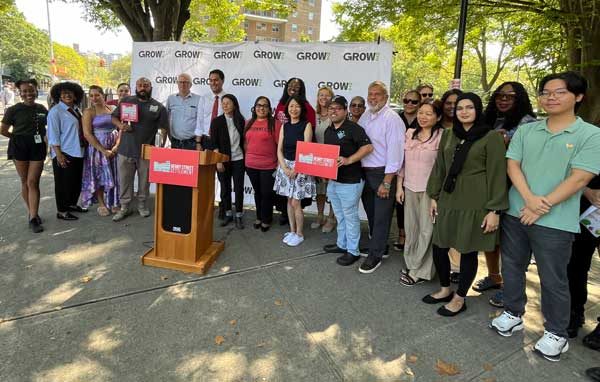
GrowNYC and local elected officials held a press conference at Henry Street in August 2025 to call attention to cuts to federal food assistance programs; the two organizations then distributed fresh fruits and vegetables to the community.
On March 11, 2025, The New York Public Library acquired 25 oral histories that Henry Street recorded in the early days of the pandemic. The set of interviews, called Hope & Resilience on the COVID Frontlines was launched by Henry Street’s public historian, Katie Vogel, to record the sudden shift as Henry Street team members found themselves in new roles as pandemic frontline workers, responding to the community’s urgent needs. The oral histories are particularly significant because they took place during the crisis period, rather than after it, capturing the mood of fear, uncertainty, and chaos across the city as the pandemic unfolded.
Henry Street announced in October 2025 a new partnership with Independent, a mission-driven arts organization that serves collectors, galleries, artists, arts writers, and institutions internationally. The Settlement will host a gala celebration at the opening night of Independent’s contemporary art show, taking place at Pier 36, on the East River, on May 14, 2026. Click here for tickets.
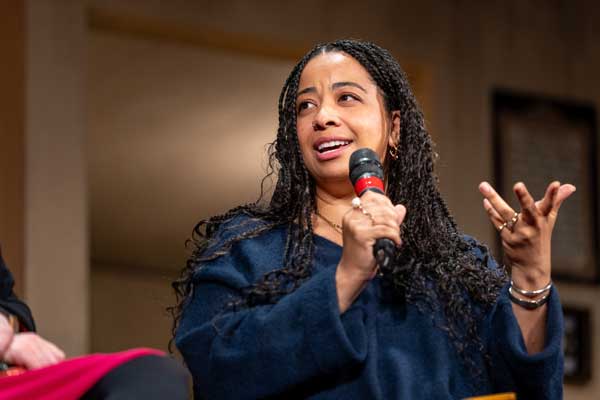
Maura Cuffie-Peterson speaks at the 2025 Lillian Wald Symposium.
The 10th annual Lillian Wald Symposium, held April 9, 2025, addressed whether New York City can remain a magnet and incubator for creativity across the visual and performing arts at a time when affordable live-work space and access to resources continue to shrink. Moderated by Valentina Di Liscia, news editor of the arts publication Hyperallergic, the event featured Maura Cuffie-Peterson, director, Creatives Rebuild New York; Anne del Castillo, senior policy advisor, creative sector strategy, New York City Department of Cultural Affairs; Ashley Ferro-Murray, arts program director, Doris Duke Foundation; artist Nile Harris, Abrons AIRspace artist in residence, 2022-23, who also performed; and Sharon Zukin, sociologist and writer on gentrification.
With more than 120 managers across the Settlement, including many who have been promoted from within the organization, Henry Street in spring 2023 rolled out an in-house management-training program to strengthen our leadership culture from the inside out. The Learn@Henry Street team developed two training series--Foundations of Management and Manager as Coach—to raise the bar with respect to management skills, confidence, and ability to handle challenges. More than 126 managers have completed one or both programs, with several advancing into elevated roles in the organization.
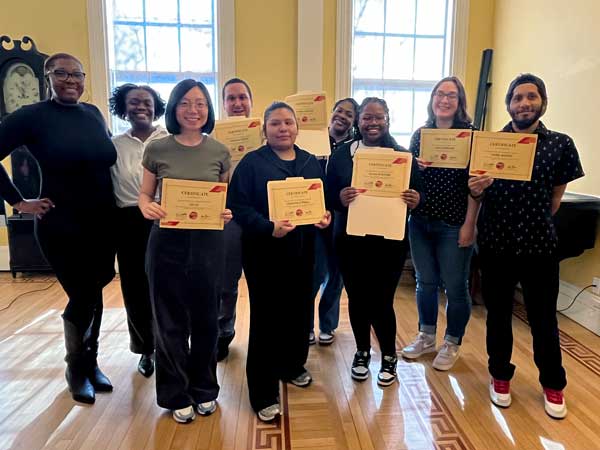
Henry Street celebrated their graduation from the Foundations of Management training course.
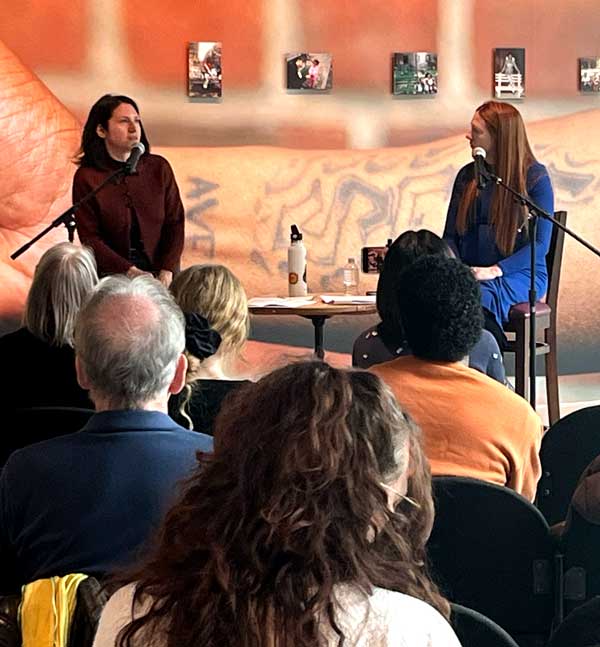
Public Historian Katie Vogel interviews Kathryn Lloyd about 200 years of immigration to the Lower East Side. Their conversation took place against the backdrop of the Abrons Arts Center exhibition Lower East Side Yearbook: A Living Archive by Destiny Mata.
For the second year, in fall 2025, Henry Street held a series of lunch-and-learn talks, called Come to the Table, to strengthen our team’s connection to our community and its history. These events—also open to the public—carry forward our founder Lillian Wald’s commitment to bringing people “to the table,” to grapple together with pressing issues affecting Henry Street’s neighbors.
The topics included:
On October 25, 2025, Abrons Arts Center hosted a joyful fall festival, beginning with the official naming of the Miriam and Harold Steinberg Plaza, following a two-year renovation. The event featured a lively lineup of hands-on art activities inspired by the creativity of Halloween on the Lower East Side. The amphitheater was named for the parents of long-time Henry Street board member Michael Steinberg—a committed supporter of access to the arts whose transformative gift in their honor enabled the Abrons renovation. The renovation was prompted by a need to make upgrades to serve community members with a range of mobility needs; yet, in the process it enabled a transformation of the building itself, which has brought a greater sense of visibility and accessibility from the street.
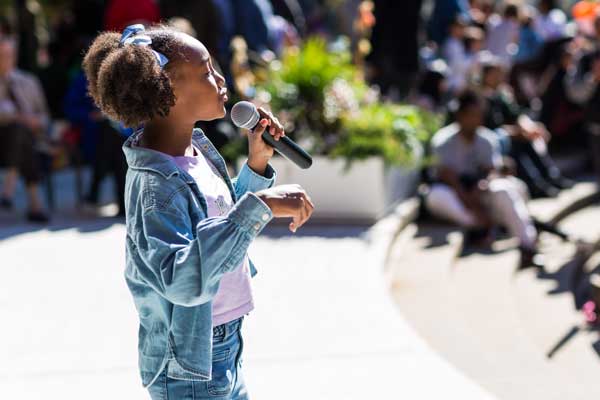
Abrons student performances were a highlight of the ribbon-cutting on the Miriam and Harold Steinberg Plaza. Photo: A. Federman
In 2025—Abrons’s 50th anniversary year—the arts center developed new mission, vision, and values statements that define what are our arts center is today and that will guide its actions for years to come.
Abrons Arts Center builds a community where artists, learners, and audiences explore creative possibilities. Rooted in the immigrant and working-class history of our Lower East Side neighborhood, we offer free and affordable
exhibitions, performances, classes, residencies, and space access.
From October 17, 2025, to January 4, 2026, Abrons featured Lower East Side Yearbook: A Living Archive, a visual art exhibition created by photographer Destiny Mata about Lower East Side public housing residents and the importance of community memory. The show brought together Mata’s photographs with images from the personal archives of local residents. The exhibition was curated by Ali Rosa-Salas, vice president of visual and performing arts at Abrons Arts Center, with exhibition design by Anzia Anderson.
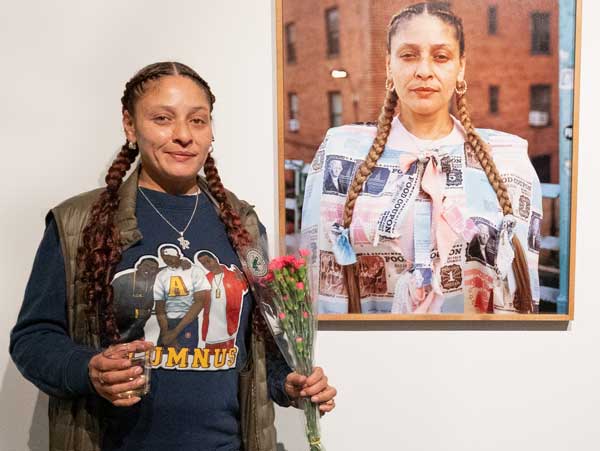
Rosa Rodriguez poses in front of “Welfare Queen No. 1” (2025), Destiny Mata’s portrait of her, in which she is wearing a cape printed with food stamp coupon books—a commentary on turning the shame of public assistance into pride.
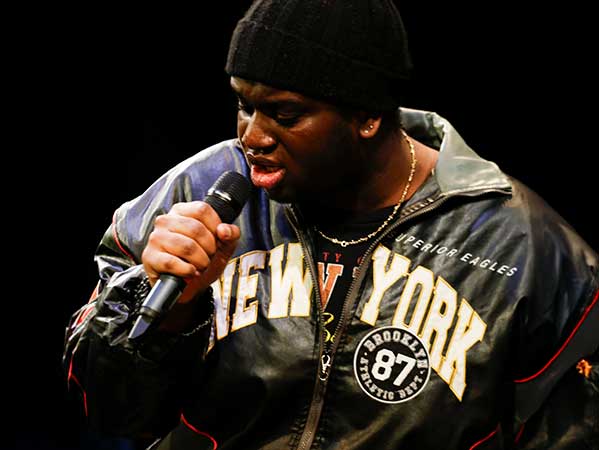
Lamar Francis won the grand prize at Live! on Grand.
On December 13, 2025, local performer Lamar Francis won the grand prize at the first annual “Live! on Grand” talent show at Abrons Arts Center. Lamar was chosen by the audience--based on the volume of cheers and paddles raised—for his stunning rendition of “I’m Here” from The Color Purple. Lamar comes from a Henry Street family. His grandmother, Justine, is a regular at the Older Adult Center. Sixty people auditioned for the chance to be among 10 semifinalists—singers, dancers, instrumentalists, jugglers, and comedians. That number was then pared to 5 finalists who competed for a $1,000 grand prize.
Every dollar you give opens doors for the people Henry Street serves.
I know you can actually change a kid’s life if you’re there at the right time, because it happened to me.


I always praise Allah ... for bringing me to Henry Street. I can’t imagine what would have happened.




I learned how to process my thoughts. How to use my emotions.








Here, you get to meet other older people in the same situation. It helps with the loneliness.
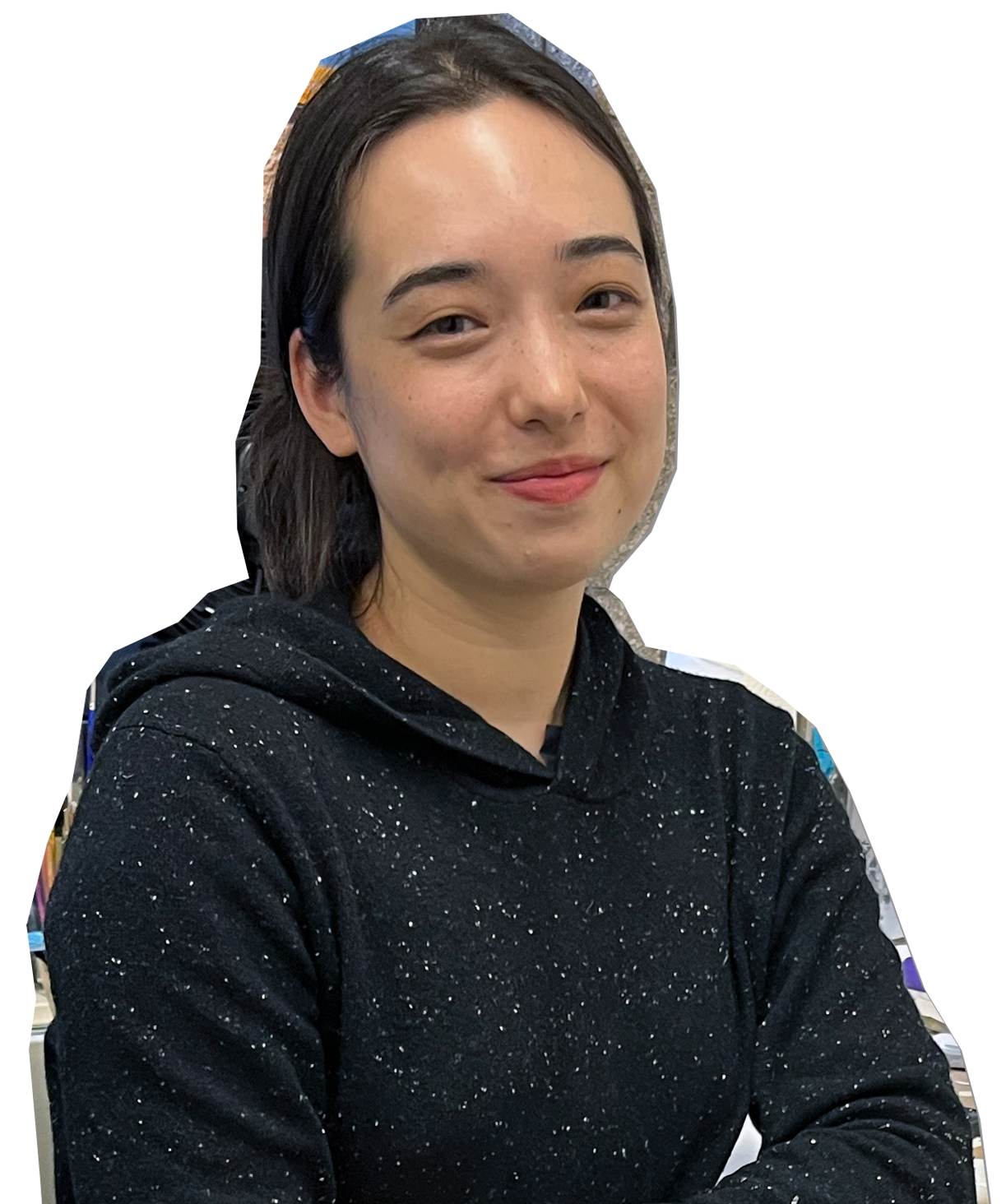

The mentorship component has been the most valuable part of my residency, and it’s my great fortune that we were paired.
Megan Mi-Ai Lee
Abrons Arts Center AIRspace Residency
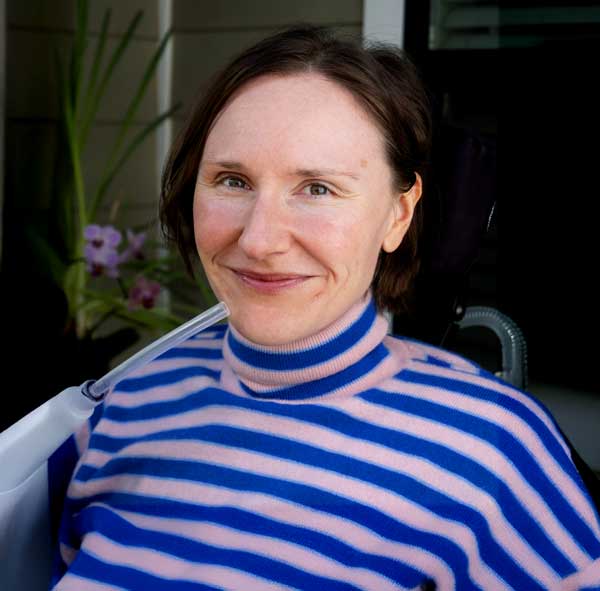
Twelve years apart in age, the conceptual artists Megan Mi-Ai Lee, 29, and Park McArthur, 41, are at different stages in their careers. But Megan, one of three artist-residents at Abrons Arts Center under age 30, and Park, in mid-career, are both benefiting from the latest evolution in a residency program that is celebrating its 40th anniversary. Under the leadership of Ali Rosa-Salas and funded by the New York Community Trust Van Lier Fellowship, the program formally integrates a mentorship component to build intergenerational bonds between current fellows and residency alumni.
27,705
Neighbors attended performances and exhibitions at Abrons
For Park, an Abrons artist resident in 2013-14, the experience was pivotal, and she wanted to share the knowledge she’s gained with the next generation. “It was the first time I had a real studio outside my apartment, at no cost, and also a huge expansion of the artistic communities I wanted to be a part of,” she says.
At the time, Park was preparing for one of her first solo exhibitions and, as someone who uses a wheelchair, she was thinking about the ways she gains access to art spaces. “I often start with writing an idea or question,” Park says, “not necessarily beginning with materials.” That question involved how she and others in the disability community have had to advocate individually and collectively for access to spaces.
While she built toward an exhibition, “getting feedback was as important as having the studio,” says Park, who has exhibited internationally, including at MoMA and in the Whitney Biennial.
Megan, also an interdisciplinary, conceptual artist, uses her work to explore the ways fantasy diffuses through popular culture. “The mentorship component has been the most valuable part of my residency,” she says, “and it’s my great fortune that that we were paired. Working with Park...has helped me develop more of a language. She adds that they have also had great conversations about “the realities of living and working in this tumultuous field that can be financially and socially challenging.”
Every dollar you give opens doors for the people Henry Street serves.
A Buck’s Rock Summer by Timothy Davis
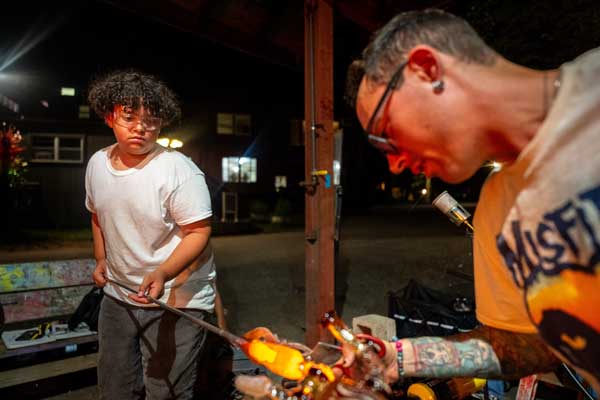
"My favorite part about being at Buck’s Rock is all the things you get to do. I learned guitar, glass blowing, woodwork, and I even made a charcuterie board!" said Jacob Valpais, 14, a Henry Streeter who has spent the past three summers at this legendary arts camp in the foothills of the Berkshire Mountains of Connecticut. Jacob’s excitement and pride capture why this program means so much to Henry Street families.

What stays with campers is the experience of being trusted.

Buck’s Rock is an overnight camp that has been nurturing creativity, independence, and community for more than 80 years. With over 30 studios devoted to visual arts, music, theater, and dance, campers have the space to explore, experiment, and take creative risks. Through a partnership with Henry Street, the camp has welcomed 32 Settlement participants, at no cost, over the past three summers.
The imperative for city kids to experience nature was a core principle of Henry Street founder Lillian Wald, for whom “country work” held as much importance as nursing, social work, and political advocacy. Since becoming a nonprofit in 2021, Buck’s Rock has been committed to reducing financial barriers to camp, so that more New York City children can have a summer experience that is typically reserved for the wealthy.
“My favorite part about being at Buck’s Rock is all the things you get to do—you really couldn’t be bored,” Jacob says. “There’s endless stuff to keep yourself entertained.”
Melissa Lopez has seen the impact of camp on Jacob, her son. “I wanted him to experience something I never had,” she says, “to explore, meet new people, and discover what he truly enjoys. And I can honestly say he has grown so so much over the past summers.”
The camp invests an unusual degree of trust in its participants, says Camp Director Scott Kraiterman. “What stays with campers is the experience of being trusted. Buck’s Rockers are trusted to make choices, to take risks, and to know that who they are and what they bring is enough!”
“We hope to give kids an opportunity to be kids and connect to one another through a shared love of creating things,” says Antonia Steinberg, a former camper who acquired Buck’s Rock in 2021 and transitioned it into a nonprofit. She describes that one camper might follow their inspiration into the jewelry shop to make their mom a ring, while another could explore a process, like melting metal with fire to make a sculpture. Other campers develop new interests through their friends. “For all of them,” she says, “camp is a place to develop their curiosity and respect for one another through shared experience and creativity.”
Volunteering
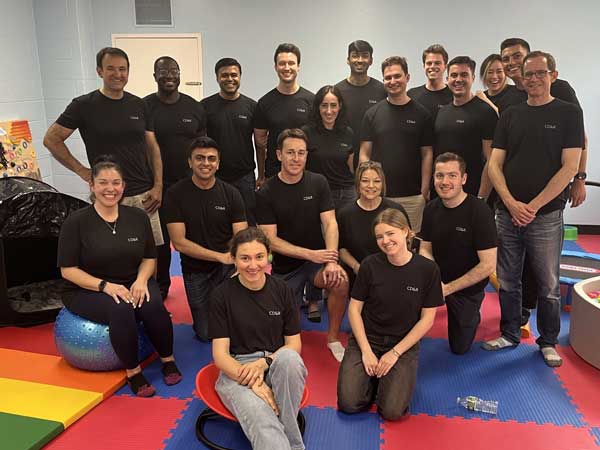
Five years ago, the private investment firm CD&R created a foundation to formalize and expand its long-standing commitment to stewardship and impact in its local communities. Through grants and partnerships with nonprofit organizations—referred to by the foundation as Talent Solution Partners—it aims to help individuals who have been historically underrepresented in various workforce sectors gain the technical skills, mentorship, and employer connections necessary to build lasting economic mobility.
The CD&R Foundation awarded its first grants in June 2022, including an investment in Henry Street to support its workforce development programs. This initial support later grew into a multiyear grant, underscoring the foundation’s dedication to helping partners plan for the future and adapt to evolving community needs.
The foundation has also expanded its employee volunteer efforts, engaging teams in projects that match their interests and availability. “Thanks to Deanna Sorge, whose guidance has helped strengthen the connection between CD&R employees and Henry Street, we are able to engage with the organization in a seamless and meaningful way,” noted Randy Moore, president of the foundation. For employees, Randy added, volunteering offers a mission-driven break from daily routines, strengthens team connections, and provides valuable support to an organization making a real difference within its community.
CD&R employees have contributed to a range of programs, including Early Childhood Education, Afterschool, the Older Adult Center, and more. In 2025, the foundation supported Henry Street’s Early Childhood Education program by funding and building a sensory room for children with diverse sensory needs. Early Childhood Education Program Director Liseida Melendez, an expert in sensory room design, envisioned and curated the space, and a CD&R volunteer team assembled the equipment to bring it to life.
“They were excited to support a hands-on project where teams could contribute in a tangible way and see the difference it would make,” Deanna remarked.
This volunteer experience allowed our team to connect, step outside the office, and learn more about one of our Talent Solution Partners.
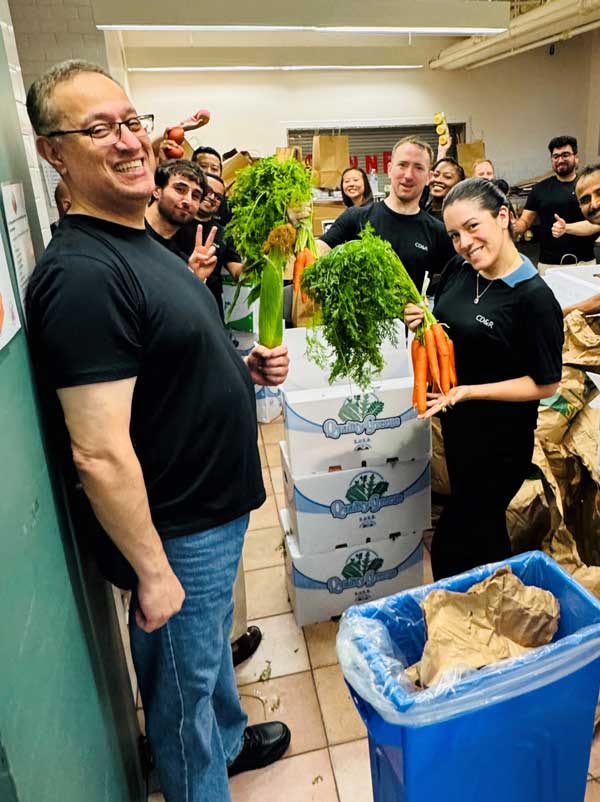
In 2025, a total of 1,480 volunteers contributed 3,700 volunteer hours of service to Henry Street, serving meals to older adults, conducting mock interviews with jobseekers, and working on crafts with students in our Afterschool programs.
Many thanks to the partners who donated much-needed food, hygiene kits, and other essentials for our community, especially during times of acute crisis. From cold weather staples to birthday packages for children, in-kind donations allowed us to provide Henry Street clients with resources that support their journeys with dignity and care.
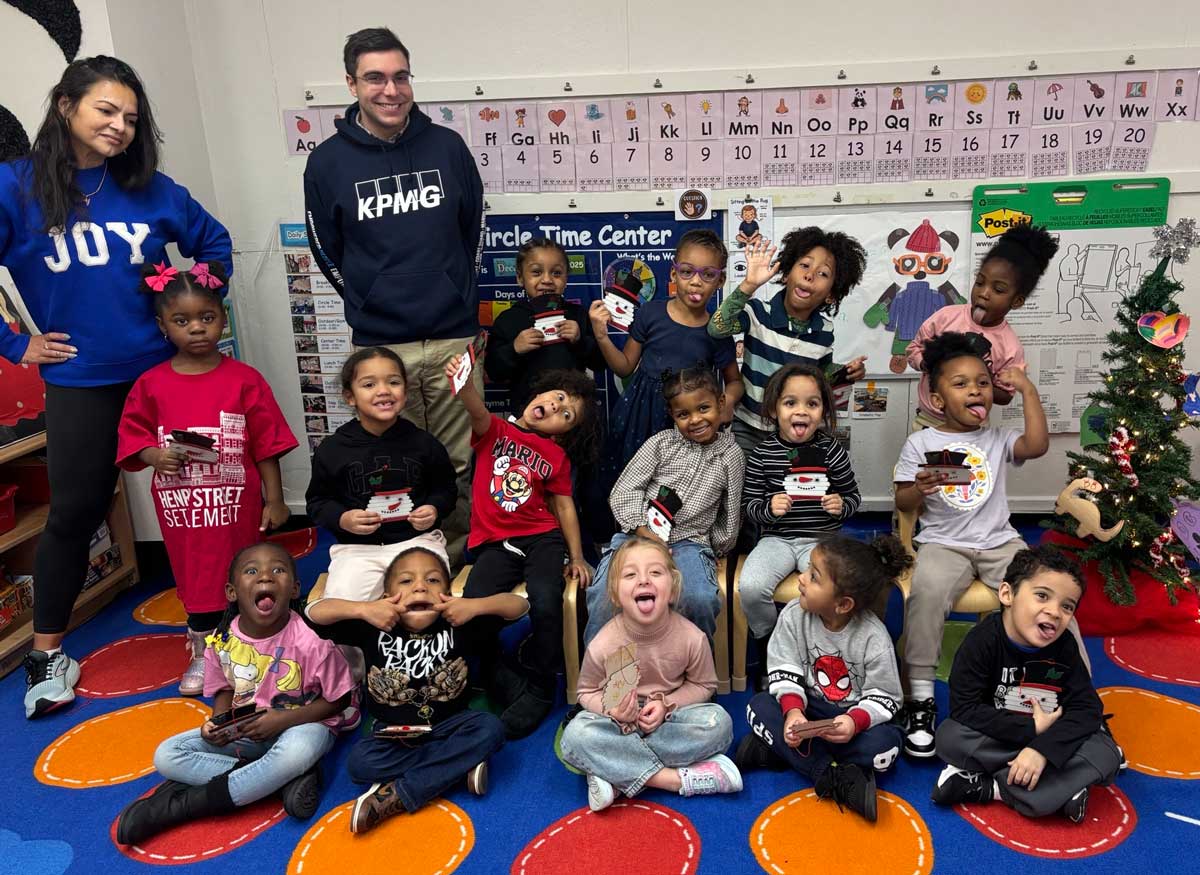
KPMG sponsored a holiday party for Early Childhood Education participants in December 2025.
Every gift—no matter the size—helps us provide hope and opportunity to our neighbors on the Lower East Side and across New York City. You can give with confidence, knowing that 84 cents of every dollar goes to direct client service, and we have a four-star rating from Charity Navigator.
Our recurring donors are true heroes. Their generosity and unwavering dedication provide the steady, reliable support we depend on every month. Thanks to our sustaining donors, we can serve our community with confidence all year long. Simply scan the QR code below to set up your monthly gift and start making a lasting impact.
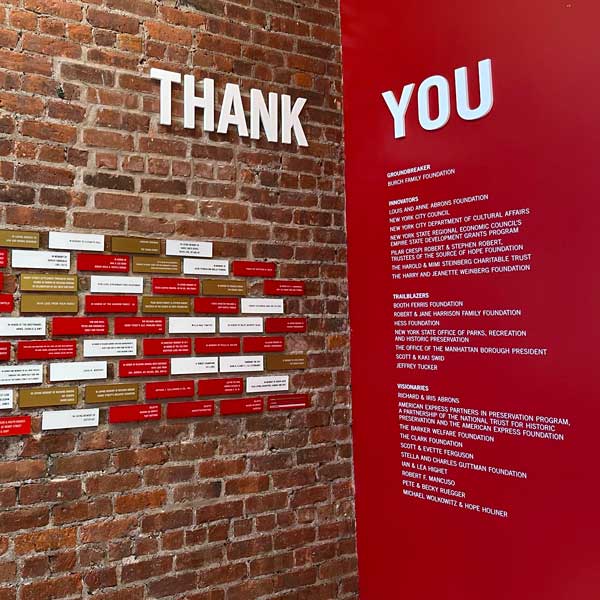
The Lillian Wald Legacy Circle celebrates our forward-looking donors who name Henry Street Settlement in their wills or estate plans.
Each generation of New Yorkers relies on the progress and generosity of those who came before them. Just as Lillian herself left a legacy for our community, Lillian Wald Legacy Circle members build Henry Street’s endowment, ensuring we’re here to open doors to opportunity for the generations that follow.
Your bequest, no matter the size, makes a lasting statement about your values and care for our Lower East Side neighbors.
For help exploring the best giving options for your personal, financial, and philanthropic goals, email plannedgiving@henrystreet.org.
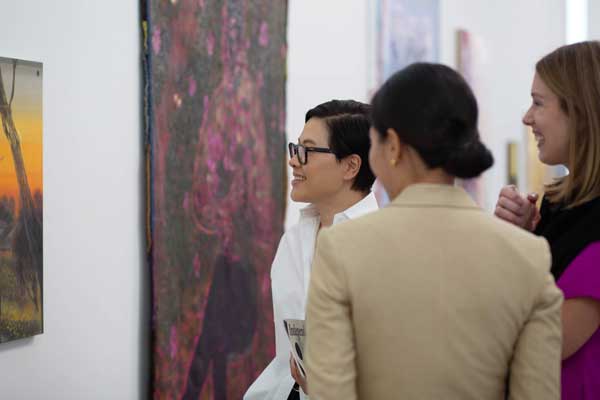
Henry Street Settlement is thrilled to partner with Independent, the leading invitation-only art show in New York City for rising contemporary art, to launch a new fundraising gala on May 14, 2026, from 5 to 8 p.m., at the show’s opening. It will take place at the show’s new Lower East Side location, Pier 36, just steps from Henry Street Settlement.
Guests will enjoy a cocktail party and private viewing of more than 100 rising and established voices and visionaries, many of whom are celebrating their New York debuts. These solo and group presentations are commissioned by 76 leading galleries from around the world.
Hosted by an extraordinary group of local luminaries, the Gala Preview will raise vital funds to help the Settlement remain agile and creative to meet this moment of profound need.
Every ticket will help Henry Street’s neighbors find jobs, learn English, access food, go to college, attain needed mental health care, participate in arts programs at Abrons Arts Center, and find paths to success. Buy your ticket today at HenryStreet.org/galatickets or go to HenryStreet.org/GalaPreview to learn more and get involved.
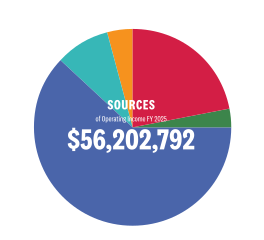
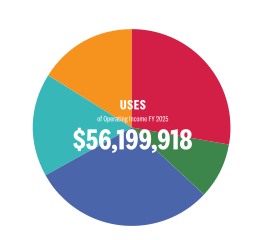
Henry Street Settlement’s work would not be possible without thousands of individuals, foundations, and corporations, including those who have given for generations and those supporters who are new to the Henry Street family. We are deeply grateful for their generosity.
Our DonorsMeet Henry Street’s dedicated Board of Directors and Leadership Team.
Henry Street operates more than 50 programs in the areas of Health & Wellness, Transitional & Supportive Housing, Older Adult Services, Education, Employment, Visual & Performing Arts, and Community Engagement & Advocacy.
Our Services